 +91 97898 37476
 info@karthiortho.com
 160/9, Jagannathan Salai, SRP Colony, Periyar Nagar, Chennai - 600082.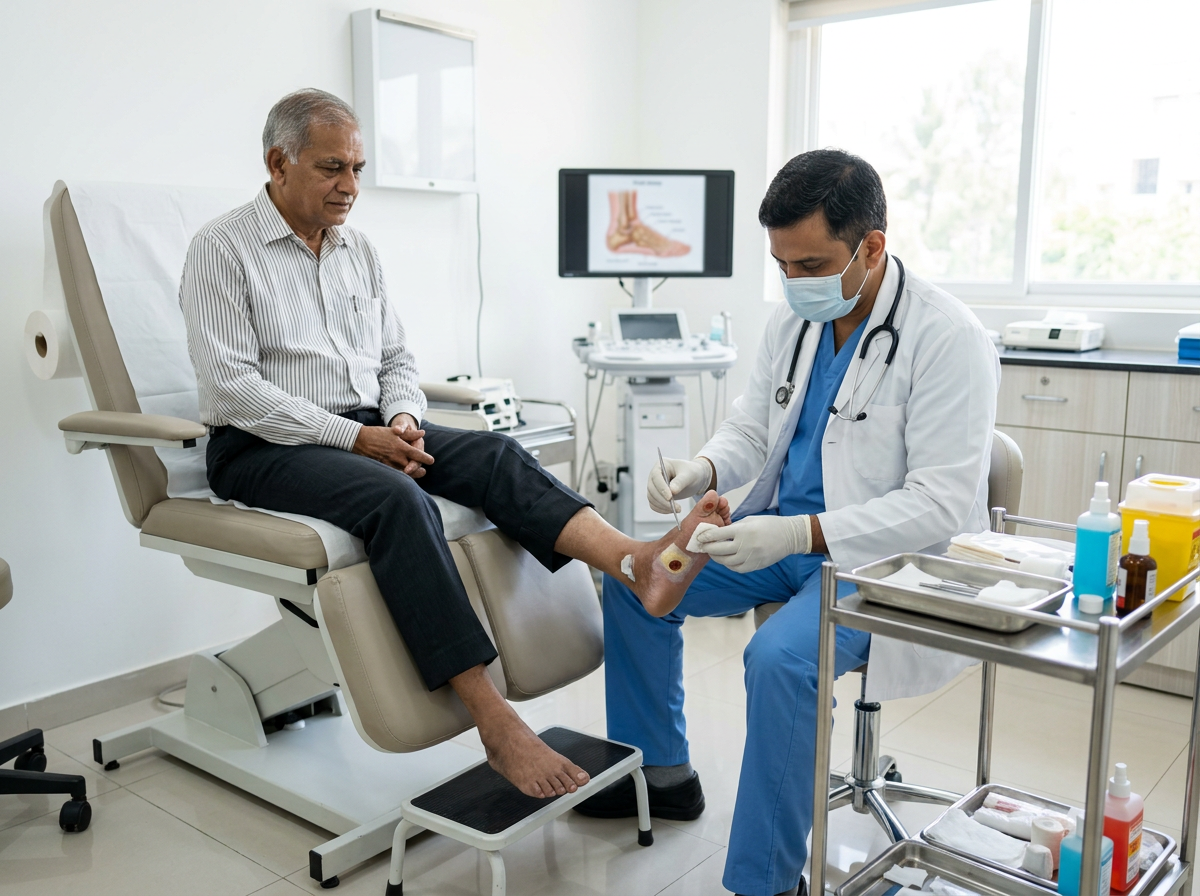
Diabetic Foot Care & Ulcer Management in Perambur, North Chennai
Looking for expert diabetic foot care in Perambur, Chennai?
At Karthik Multispeciality Clinic, Dr. H. Rohit Karthik, MS (Orthopaedics) provides comprehensive diabetic foot assessment, diabetic ulcer management, advanced wound care, infection prevention, and long-term foot health management. Early diagnosis and specialised diabetic foot care play a vital role in preventing complications, preserving mobility, and supporting healthier feet. Conveniently located in Periyar Nagar, we proudly care for patients from Perambur, Jawahar Nagar, Agaram, G.K.M. Colony, Kumaran Nagar, and surrounding areas of Chennai 600082.
Comprehensive Diabetic Foot Care at Karthik Multispeciality Clinic
Diabetes can affect the nerves, blood circulation, skin, and soft tissues of the feet, increasing the risk of ulcers, infections, delayed wound healing, and other serious complications. Even a small cut, blister, or pressure point may gradually develop into a complex foot problem if not recognised and treated early. Regular diabetic foot examinations and preventive care are essential for maintaining healthy feet and reducing the risk of complications.
At Karthik Multispeciality Clinic, Dr. H. Rohit Karthik, MS (Orthopaedics) provides personalised diabetic foot care that focuses on early detection, comprehensive assessment, ulcer management, infection prevention, and long-term foot protection. Every patient receives an individualised treatment plan based on their foot health, diabetic risk factors, and lifestyle.
Located in Periyar Nagar, Chennai, our clinic proudly serves patients from Perambur, Jawahar Nagar, Agaram, G.K.M. Colony, Kumaran Nagar, Kolathur, Vyasarpadi, Moolakadai, Madhavaram, and surrounding communities with specialised diabetic foot care close to home.

Why Diabetic Foot Care Is So Important
People living with diabetes may not always notice early changes in their feet because reduced sensation and circulation can make minor injuries difficult to detect. Without timely treatment, these problems can progress and affect mobility, independence, and overall health.
Regular diabetic foot care helps:
Detect foot problems at an early stage
Reduce the risk of diabetic foot ulcers
Identify changes in skin and soft tissues
Improve long-term foot health
Lower the risk of infection
Support healthy walking and mobility
Promote early medical intervention
Encourage better diabetes-related foot care habits
Routine foot assessments play a significant role in preventing avoidable complications and preserving foot function.
Our Comprehensive Diabetic Foot Care Services
At Karthik Multispeciality Clinic, we offer evidence-based diabetic foot care designed to support healthy feet and reduce the risk of diabetes-related complications.
Our diabetic foot care services include:
Comprehensive diabetic foot assessment
Diabetic foot ulcer evaluation and treatment
Advanced wound care for diabetic ulcers
Infection prevention and management
Advanced wound dressing techniques
Foot pressure assessment
Preventive diabetic foot care
Continuous healing and foot health monitoring
Patient education for daily foot care
Long-term diabetic foot protection
Understanding Diabetic Foot Ulcers
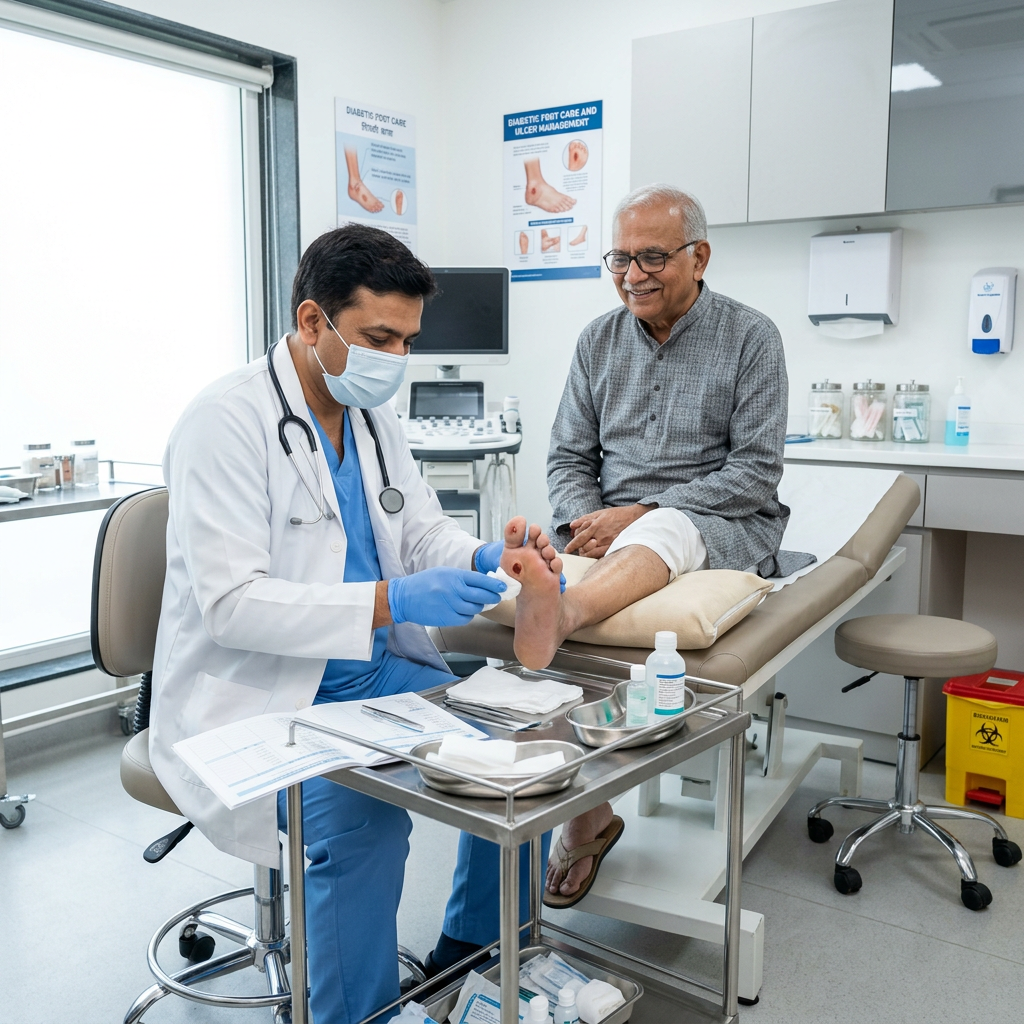
A diabetic foot ulcer is an open wound that commonly develops on the feet of people living with diabetes. Reduced sensation, pressure on specific areas of the foot, poor circulation, and delayed healing may increase the likelihood of ulcer formation. Early diagnosis and appropriate treatment are essential because untreated ulcers can gradually become more difficult to manage. Regular foot examinations help detect problems before they progress into more serious complications.
Common Diabetic Foot Problems
Diabetes can affect several structures within the foot, making routine examinations an important part of long-term diabetes management.
Common diabetic foot problems include:
Diabetic Foot Ulcers
Persistent pressure or unnoticed minor injuries may lead to skin breakdown and ulcer formation that requires specialised medical care.
Reduced Foot Sensation
Diabetes can reduce the ability to feel pain, heat, or injury, making it difficult to recognise foot problems during their early stages.
Foot Infections
Open wounds or ulcers may increase the risk of infection if not treated promptly and appropriately.
Skin Changes
Dry skin, cracking, calluses, and thickened skin may develop more frequently in people living with diabetes and should be assessed regularly.
Circulation-Related Foot Problems
Reduced blood circulation may affect tissue health and slow the body's natural healing process, making preventive care especially important.
Early Warning Signs You Should Never Ignore
Many diabetic foot complications begin with subtle symptoms that are often overlooked. Seeking medical attention at the earliest sign of a problem can help prevent more serious complications.
You should consult an orthopaedic specialist if you notice:
- A wound that is slow to heal
- Drainage from a wound
- A blister that does not improve
- Thick calluses or pressure areas
- Persistent redness or swelling
- Reduced sensation in the feet
- New foot pain or discomfort
- Changes in foot shape
- Changes in skin colour
- Signs of infection
- Cracked or broken skin
- Difficulty walking comfortably
Prompt evaluation allows early treatment and helps protect long-term foot health.
When Should You Schedule a Diabetic Foot Assessment?
Regular diabetic foot examinations are recommended even if you are not currently experiencing symptoms. Preventive assessment helps identify potential problems before they become serious.
You should consider scheduling a diabetic foot assessment if you:
- Have been diagnosed with diabetes
- Develop recurrent calluses or pressure points
- Notice changes in your feet
- Experience delayed wound healing
- Have previously experienced a diabetic foot ulcer
- Have a history of foot infections
- Have reduced sensation in your feet
- Want to reduce the risk of future diabetic foot complications
Early assessment, regular monitoring, and preventive care are among the most effective ways to protect your feet and maintain long-term mobility.
Our Personalised Approach to Diabetic Foot Care
At Karthik Multispeciality Clinic, we understand that every person living with diabetes has unique foot care needs. Factors such as blood circulation, nerve health, skin condition, walking pattern, and overall diabetic control all influence foot health and the risk of complications. Dr. H. Rohit Karthik, MS (Orthopaedics) follows a structured, evidence-based approach to diabetic foot care that focuses on early detection, ulcer prevention, infection control, and long-term limb preservation.
Our goal is not only to treat existing foot problems but also to reduce the likelihood of future complications through continuous monitoring and personalised preventive care.
Comprehensive Diabetic Foot Assessment
Every successful diabetic foot care programme begins with a thorough clinical examination. A detailed assessment helps identify early changes that may increase the risk of ulcers, infection, or delayed wound healing. During your diabetic foot assessment, we evaluate:
Skin condition and tissue health
Foot structure and pressure points
Sensation and nerve function
Blood circulation to the feet
Existing wounds or ulcers
Foot deformities and alignment
Walking pattern and weight distribution
Previous foot complications
Individual risk factors for diabetic foot problems
This comprehensive evaluation enables us to develop an effective treatment and prevention strategy based on your individual needs.
Personalised Diabetic Foot Care Plan
No two diabetic patients have the same level of foot risk. After completing your assessment, we prepare a customised diabetic foot care plan based on your current foot health, lifestyle, medical history, and long-term goals.
Your treatment plan may include:
- Regular diabetic foot monitoring
- Individualised ulcer management
- Advanced wound dressing when required
- Infection prevention strategies
- Pressure reduction techniques
- Footwear recommendations
- Skin protection guidance
- Home foot care education
- Scheduled follow-up reviews
Our personalised approach helps support healthier feet while reducing the risk of future complications.
Advanced Ulcer Management and Wound Care
Managing diabetic foot ulcers requires specialised care to promote healing while protecting surrounding healthy tissue. Every ulcer is assessed individually so that treatment can be tailored according to its size, depth, location, and stage of healing. Our diabetic ulcer management focuses on:
Thorough wound evaluation
Appropriate wound cleansing
Advanced dressing selection
Protection of healthy surrounding skin
Moisture balance management
Regular dressing review
Monitoring healing progression
Supporting natural tissue repair
Early intervention and consistent wound care help improve healing while minimising the risk of complications.
Infection Prevention and Foot Protection
People living with diabetes have a higher risk of developing foot infections because wounds may heal more slowly and minor injuries may go unnoticed. Preventing infection is therefore an important part of diabetic foot management.
Our preventive care includes:
Early identification of infection risks
Careful wound protection
Regular clinical observation
Foot hygiene education
Skin care recommendations
Pressure relief strategies
Appropriate dressing management
Patient awareness on warning signs
By maintaining a healthy wound environment and educating patients on proper foot care, we aim to reduce complications and support long-term foot health.
Pressure Offloading for Better Healing
Continuous pressure on an ulcer or high-risk area can delay healing and increase the risk of further tissue damage. Reducing pressure allows the affected area to recover more effectively.
Depending on your condition, our recommendations may include:
- Pressure redistribution techniques
- Activity modification guidance
- Protective footwear advice
- Walking support recommendations
- Foot pressure management
- Regular foot inspection
- Lifestyle adjustments to reduce repetitive stress
These measures help create a favourable environment for healing while protecting vulnerable areas of the foot.
Continuous Healing and Risk Monitoring
Diabetic foot care does not end once a wound begins healing. Regular follow-up appointments allow us to monitor progress, detect new concerns early, and make appropriate adjustments to your treatment plan. During follow-up visits, we monitor:
Healing progress
Skin integrity
Foot circulation
Signs of infection
Pressure areas
Foot sensation
Ulcer improvement
Overall diabetic foot health
Ongoing monitoring supports consistent healing and helps reduce the likelihood of recurring foot problems.
Long-Term Foot Protection and Limb Preservation
Protecting your feet is an essential part of long-term diabetes management. Our focus extends beyond treating current ulcers—we help patients develop lifelong foot care habits that support mobility and reduce the risk of serious diabetic foot complications.
Our long-term care strategy includes:
- Routine diabetic foot screening
- Footwear guidance
- Preventive foot care education
- Regular orthopaedic evaluations
- Early management of minor foot problems
- Monitoring high-risk feet
- Healthy skin care practices
- Supporting long-term limb preservation
Through early intervention, continuous assessment, and personalised care, we help patients maintain healthier feet and greater confidence in their daily activities.
Diabetic Foot Care Measures and Their Benefits
| Diabetic Foot Care Measure | How It Supports Foot Health |
|---|---|
| Comprehensive diabetic foot assessment | Identifies early changes and risk factors |
| Personalised foot care planning | Tailors treatment according to individual needs |
| Advanced wound dressing | Supports healthy ulcer healing and tissue protection |
| Infection prevention strategies | Helps reduce wound-related complications |
| Pressure offloading techniques | Minimises stress on vulnerable areas of the foot |
| Regular healing assessment | Monitors recovery and guides treatment adjustments |
| Patient education | Encourages safe daily foot care practices |
| Preventive follow-up care | Supports long-term foot health and limb preservation |
Why Choose Dr. H. Rohit Karthik for Diabetic Foot Care & Ulcer Management?
Living with diabetes requires continuous attention to foot health. Even a small blister, cut, or pressure point can develop into a serious complication if left untreated. At Karthik Multispeciality Clinic, Dr. H. Rohit Karthik, MS (Orthopaedics) provides comprehensive diabetic foot care that focuses on early detection, ulcer prevention, infection control, wound healing, and long-term limb preservation.
Every patient receives personalised care based on their diabetic risk profile, foot condition, lifestyle, and mobility needs. Our goal is to help patients protect their feet, maintain independence, and reduce the risk of avoidable complications through proactive orthopaedic care.
Why Patients Choose Our Diabetic Foot Care Services
Comprehensive diabetic foot screening and risk assessment
Personalised diabetic foot care plans
Advanced diabetic ulcer management
Evidence-based infection prevention strategies
Continuous wound monitoring and healing assessment
Preventive care focused on long-term foot protection
Patient education for daily diabetic foot care
Compassionate, patient-centred orthopaedic care
Our Philosophy Towards Diabetic Limb Preservation
At Karthik Multispeciality Clinic, we believe that prevention is the foundation of diabetic foot care. Rather than waiting for complications to develop, we focus on identifying risks early, protecting healthy tissue, and helping patients maintain strong, functional feet throughout their lives.
Our philosophy combines comprehensive diabetic foot assessment, personalised treatment planning, advanced ulcer management, and continuous follow-up to preserve mobility and improve long-term quality of life. Through education, preventive strategies, and evidence-based care, we empower patients to actively participate in protecting their foot health.
By addressing diabetic foot concerns at the earliest possible stage, we aim to reduce complications while supporting safe mobility and lifelong limb preservation.
Comprehensive Diabetic Foot Care Close to Home
Conveniently located at 160/9, Jagannathan Salai, SRP Colony, Periyar Nagar, Chennai – 600082, Karthik Multispeciality Clinic provides specialised diabetic foot care for patients across North Chennai.
We proudly serve patients from:
- Perambur
- Periyar Nagar
- Jawahar Nagar
- Agaram
- G.K.M. Colony
- Kumaran Nagar
- Kolathur
- Vyasarpadi
- Moolakadai
- Madhavaram
- Kodungaiyur
- Villivakkam
- Ayanavaram
- Purasaiwalkam
- Otteri
- Chennai 600082 & surrounding neighbourhoods
Our convenient location makes specialised diabetic foot assessment, ulcer management, and preventive foot care easily accessible for individuals and families throughout North Chennai.
FAQ
Frequently Asked Questions About Diabetic Foot Care & Ulcer Management
Diabetes can affect blood circulation and nerve function, making it more difficult to notice injuries and slowing the healing process. Regular foot care helps detect problems early and reduces the risk of ulcers, infections, and other complications.
A diabetic foot ulcer is an open wound that develops on the foot of a person with diabetes. It commonly occurs due to a combination of pressure, reduced sensation, and delayed healing, and requires prompt medical evaluation.
Everyone living with diabetes should have regular foot examinations, especially individuals with reduced foot sensation, previous ulcers, circulation problems, foot deformities, or other risk factors for diabetic foot complications.
Daily self-examination is recommended for people with diabetes. You should also attend regular professional foot assessments as advised by your orthopaedic specialist or healthcare provider.
Warning signs include a wound that does not heal, redness, swelling, drainage, skin colour changes, unusual warmth, persistent pain, or reduced sensation. Early medical evaluation is essential if any of these symptoms occur.
Many diabetic foot ulcers can be reduced through regular foot screening, proper footwear, daily foot inspection, blood sugar management, early treatment of minor injuries, and routine orthopaedic care.
Comfortable, well-fitting footwear that reduces pressure points and protects the feet is generally recommended. Your orthopaedic specialist can advise you on footwear based on your individual foot condition and risk level.
You should seek prompt medical care if you notice a non-healing wound, increasing redness, swelling, drainage, foul odour, signs of infection, sudden foot colour changes, or any injury that fails to improve.
Daily Diabetic Foot Care Habits
| Daily Foot Care Practice | How It Helps Protect Your Feet |
|---|---|
| Inspect your feet every day | Helps identify cuts, blisters, redness, or swelling early |
| Wash and dry your feet carefully | Maintains skin hygiene and reduces infection risk |
| Moisturise dry skin (avoiding between the toes) | Helps prevent skin cracking while reducing excess moisture between the toes |
| Wear clean, well-fitting footwear | Reduces pressure points and protects against injury |
| Avoid walking barefoot | Minimises the risk of cuts, punctures, and burns |
| Trim toenails carefully or seek professional care when needed | Helps prevent nail-related injuries and ingrown toenails |
| Manage blood sugar as advised by your healthcare team | Supports overall health and healthy tissue repair |
| Attend regular diabetic foot assessments | Enables early detection and management of potential complications |
Book Your Diabetic Foot Care Consultation Today
Healthy feet are essential for maintaining mobility, independence, and quality of life. If you have diabetes, regular foot assessments and early treatment of ulcers or foot problems can help prevent serious complications and support long-term foot health.
Consult Dr. H. Rohit Karthik, MS (Orthopaedics) at Karthik Multispeciality Clinic for comprehensive Diabetic Foot Care & Ulcer Management tailored to your individual needs.
Conveniently located in Periyar Nagar, Chennai, we proudly provide specialised diabetic foot care to patients from Perambur, Jawahar Nagar, Agaram, G.K.M. Colony, Kumaran Nagar, and surrounding communities with compassionate, evidence-based orthopaedic care.
Protect your feet today for a healthier tomorrow—schedule your diabetic foot assessment at Karthik Multispeciality Clinic and take an important step towards lifelong mobility.

 Emergency No. : +91 97898 37476